
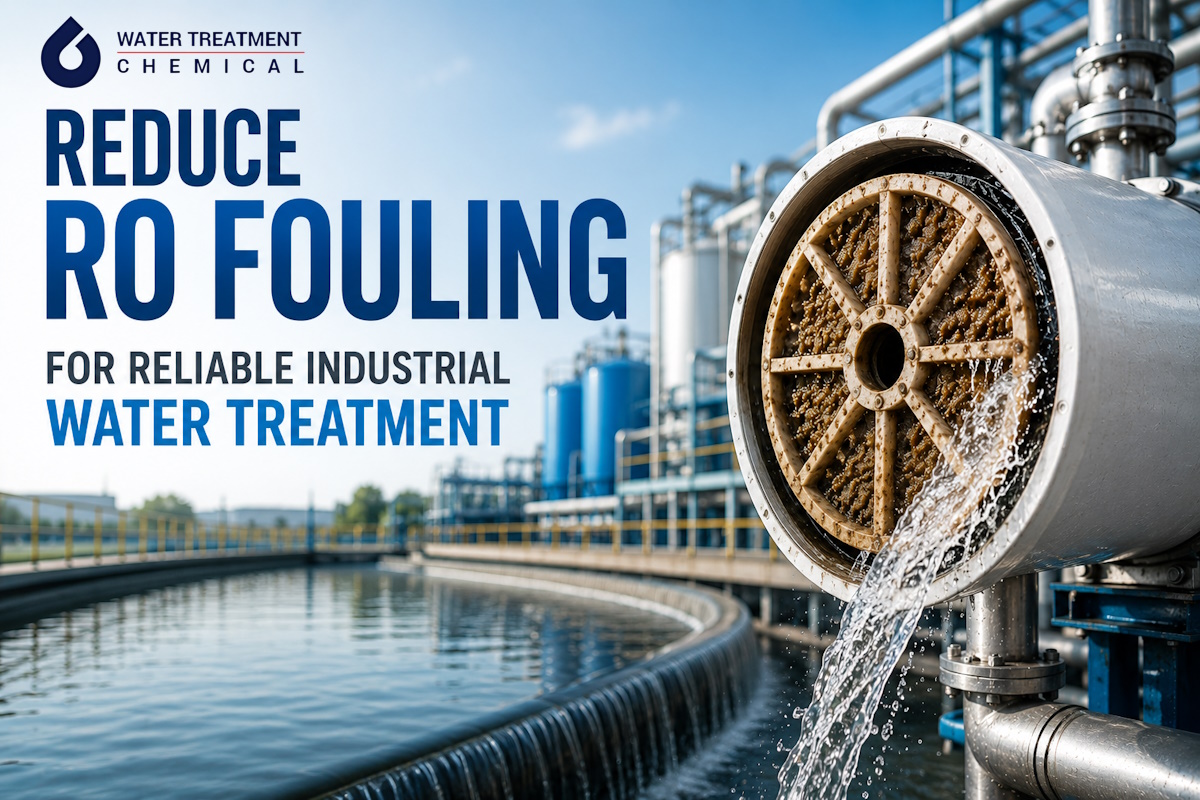
Reverse osmosis systems serve as the core purification technology across diverse industries, from pharmaceuticals and power generation to textiles and chemical manufacturing. However, the operational efficiency of these systems is constantly threatened by membrane degradation, with membrane fouling standing out as the most persistent and costly bottleneck. When dissolved solids, organic compounds, microorganisms, and colloidal particles deposit onto the active surface of the membrane, feed pressure escalates, permeate quality drops, and energy consumption surges. For utility managers and plant engineers, failing to manage this issue results in premature membrane replacement, unscheduled downtime, and escalating operating costs.
Minimizing this challenge requires a comprehensive, multi-layered approach that bridges physical mechanical pretreatment with precise chemical dosing. Simply relying on reactive membrane cleaning is no longer a viable business strategy in high-throughput industrial facilities. By implementing robust industrial water treatment chemicals and optimizing upstream purification stages, plants can drastically extend membrane life, maintain reliable water quality, and achieve regulatory compliance without sacrificing profitability.
Need help controlling RO fouling in your plant?
Understanding the Mechanism of RO Fouling in Industrial Systems
To solve the problem of membrane performance decline, we must first analyze how feed water constituents interact with the polyamide membrane surface. Membrane chemistry is inherently susceptible to surface interaction because the thin-film composite structure possesses a slight negative charge and a relatively rough texture. This physical topography, while ideal for rejecting salts, easily traps microscopic debris and chemical precipitants.
The Chemistry of Membrane Surface Interactions
Polyamide membranes reject dissolved ions through charge exclusion and physical size exclusion. However, this very mechanism attracts positively charged ions and organic polymers to the membrane surface. Once a thin conditioning layer of organic substances or metal hydroxides forms, it alters the membrane surface charge, making it even more receptive to further deposition. Utilizing targeted coagulation and flocculation in water treatment stages is essential to alter these charge dynamics and prevent early deposition.
The Primary Types of RO Fouling
Membrane degradation generally manifests in four distinct forms, each requiring a specific diagnostic and treatment path.
Biofouling and Microbial Growth
Microorganisms present in raw water can easily attach to the membrane surface, where they feed on organic nutrients and secrete extracellular polymeric substances. This secretion forms a highly resilient slime layer, or biofilm, which shields the bacteria from standard biocides and restricts water flow. Biofouling is particularly troublesome because bacteria multiply exponentially, meaning even a minor biological slip up in the pretreatment stage can rapidly blind an entire RO stage.
Inorganic Scaling and Mineral Deposition
As clean water passes through the membrane and permeate is extracted, the concentration of dissolved salts in the reject stream rises. If the concentration of scale-forming minerals, such as calcium carbonate, calcium sulfate, barium sulfate, or silica, exceeds their solubility limits, they precipitate out of solution. These minerals form a hard, crystalline scale directly on the membrane surface, which restricts feed flow and physical membrane flexibility, ultimately leading to mechanical failure. Utilizing high-performance RO plant chemicals can keep these minerals in solution even at high concentration factors.
Colloidal and Organic Fouling
Suspended particles, such as clay, silt, silica, and organic macromolecules like humic acids, are categorized as colloidal foulants. These particulates accumulate on the membrane surface, forming a dense cake layer. Unlike biological growth or mineral scale, colloidal deposits act as a physical barrier that drastically increases hydraulic resistance, forcing the high-pressure pumps to work harder to maintain design flux.
Pretreatment Optimization: The First Line of Defense
The performance of any reverse osmosis system is a direct reflection of its pretreatment efficiency. Attempting to manage RO fouling solely at the membrane level is an expensive operational error. Effective pretreatment reduces the particulate, biological, and organic load long before the feed stream reaches the high-pressure membrane array, ensuring stable long-term operations.
Coagulation and Flocculation in Wastewater Pretreatment
For plants utilizing surface water, municipal wastewater, or industrial effluent as feed water, organic matter and colloidal solids are major risks. Implementing effective water treatment solutions that prioritize coagulation and flocculation stages is critical to aggregate these microscopic particles into larger, filterable flocs. Coagulants neutralize the negative surface charges of the colloidal particles, allowing them to coalesce, while flocculants bind these micro-flocs into heavy agglomerations that settle rapidly.
Optimizing the selection and dosage of these chemicals is vital, as carryover of unreacted cationic coagulants into the reverse osmosis system can bind directly to the negatively charged polyamide membranes, causing severe and irreversible fouling. Therefore, plant operators must carefully monitor chemical feed rates and select compatible polymers that do not interfere with subsequent membrane processes.
Media Filtration and Silt Density Index Control
Following coagulation, physical filtration processes, such as multi-media filtration, ultrafiltration, or microfiltration, serve to remove suspended solids. The standard metric used to assess the fouling potential of RO feed water is the Silt Density Index (SDI). Industrial facilities should target an SDI value of less than three under normal operating conditions. High SDI values indicate that fine suspended matter is escaping physical filtration, which will inevitably lead to rapid physical plugging of the feed spacers and membrane surfaces, requiring corrective action with specialized industrial water treatment chemicals.
Seeing high SDI values, rising pressure drops, or frequent membrane cleaning cycles?
Chemical Treatment Strategies to Mitigate RO Fouling
While physical pretreatment is indispensable, it cannot eliminate dissolved scaling minerals or stop all biological proliferation. Sustained control of membrane deposition requires the continuous, precise application of specialized chemicals designed to work under extreme concentration gradients within the membrane elements.
Selecting High-Performance RO Plant Chemicals
Selecting the appropriate chemical suite requires an in-depth understanding of your raw water chemistry, pH variations, and temperature fluctuations. Generic off-the-shelf chemicals rarely provide the precise inhibition required for complex industrial feedwaters. Operators must analyze the Langelier Saturation Index (LSI) or the Stiff and Davis Stability Index (SDSI) to accurately predict scale formation and select the correct chemical formulation from a reliable portfolio of RO plant chemicals.
The Role of Anti-scalants and Dispersants
Anti-scalants are specialized polymers that prevent mineral precipitation through three primary mechanisms: threshold inhibition, crystal modification, and dispersion. Threshold inhibition keeps scale-forming salts soluble even when their concentration exceeds normal saturation limits. Crystal modification deforms the growing crystal structure, making it difficult for the scale to adhere to the membrane. Finally, dispersants impart a negative charge to any micro-crystals that do form, keeping them suspended in the reject stream so they can be safely flushed out of the system without causing physical harm to the membranes.
Biocides and Sanitization Protocols
To control biological growth, systems must employ a balanced biocide program. This often involves the alternating use of non-oxidizing biocides and controlled levels of oxidizing agents. Because polyamide membranes are highly sensitive to free chlorine degradation, any chlorine used in the pretreatment step must be thoroughly neutralized using sodium metabisulfite before entering the membrane modules. Regular sanitization schedules using specialized water treatment solutions help prevent the establishment of stubborn biofilms that lead to persistent biofouling.
System Design and Operational Best Practices
Chemical interventions are highly effective, but their success depends on system design and physical operation. Operating a system beyond its original design limits is a primary driver of premature membrane failure and accelerated deposition rates.
Flux Rate and Recovery Optimization
Operating an RO plant at an excessively high recovery rate or flux rate concentrates dissolved solids and foulants to levels that overwhelm chemical anti-scalants. High flux rates increase concentration polarization, a phenomenon where the concentration of salts at the membrane boundary layer is significantly higher than in the bulk solution. Maintaining conservative design flux rates and adjusting recovery percentages based on water temperature and seasonal quality shifts is essential. Utilizing customized coagulation and flocculation in water treatment before the membrane step can help keep the system running efficiently at design flux.
Monitoring Critical Parameters and Early Warning Signs
Proactive monitoring is the difference between simple routine maintenance and an expensive unscheduled shutdown. Operators must continuously track normalized permeate flow, salt passage, and pressure drop across each stage. A ten percent decline in normalized permeate flow or a fifteen percent increase in feed-to-reject differential pressure indicates that deposition is actively occurring. Waiting until performance drops by thirty percent before taking action often results in irreversible membrane compaction and permanent loss of productivity, which requires extensive diagnostic work and heavy consumption of industrial water treatment chemicals.
Cleaning-in-Place (CIP) Strategies for Membrane Recovery
Even with exceptional pretreatment and chemical dosing, membranes will eventually require chemical cleaning. The goal of a Cleaning-in-Place (CIP) program is to restore membrane performance without damaging the delicate thin-film composite structure. The chemical formulations used during this process must be carefully matched to the dominant foulant type.
Designing an Effective CIP Protocol
The success of a CIP cycle depends heavily on timing, chemical selection, temperature, and contact time. CIP should always be initiated before foulants have compacted and formed thick, impenetrable layers. A standard cleaning cycle involves circulating chemical solutions through the membrane vessels, soaking the membranes to loosen deposits, and flushing the system with high-quality permeate water to remove remaining chemical residues.
Acidic vs. Alkaline CIP Chemicals
Different foulants require distinct chemical environments to dissolve or detach, and using the wrong chemical sequence can permanently lock foulants into the membrane matrix. A balanced cleaning strategy utilizes high-quality RO plant chemicals formulated specifically for these steps:
- Alkaline Cleaners for Organics and Biofilms: High-pH cleaners, typically formulated with sodium hydroxide and chelating agents, are highly effective at dissolving organic macromolecules, breaking down biological slime, and dispersing colloidal clays.
- Acidic Cleaners for Mineral Scale: Low-pH cleaners, utilizing citric acid, hydrochloric acid, or phosphoric acid, target mineral scales such as calcium carbonate and metal hydroxides. Using the correct sequence, typically alkaline cleaning followed by acid cleaning, is critical to prevent trapping organic matter beneath mineral layers.
Selecting the Right Partner for Integrated Water Treatment Solutions
Minimizing membrane fouling is not a one-time fix but a process of continuous monitoring, adjustment, and optimization. Working with an experienced partner who provides advanced water treatment solutions ensures that your chemical dosing, pretreatment filtration, and CIP protocols are harmonized for maximum efficiency. By choosing high-quality, application-specific formulations, industrial plants can dramatically decrease operational costs, satisfy environmental regulations, and focus on their core manufacturing objectives without the burden of premature membrane failures.
Ready to minimize RO fouling, reduce operating costs, and extend membrane life?