
Clean water is one of the most important needs in today’s world. Industries, cities, and communities all depend on safe water for daily use. One major step in cleaning water is forming water flocks that help remove dirt, waste, and harmful particles. When water flocks form well, water treatment becomes faster, cheaper, and more effective.
This article explains how to improve water flocks formation using chemicals. It is written in simple English so anyone can understand it. We will cover what water flocks are, why they matter, how chemicals help, the types of flocculants used, and how to choose the right water treatment chemical supplier.
Understanding Water Flocks
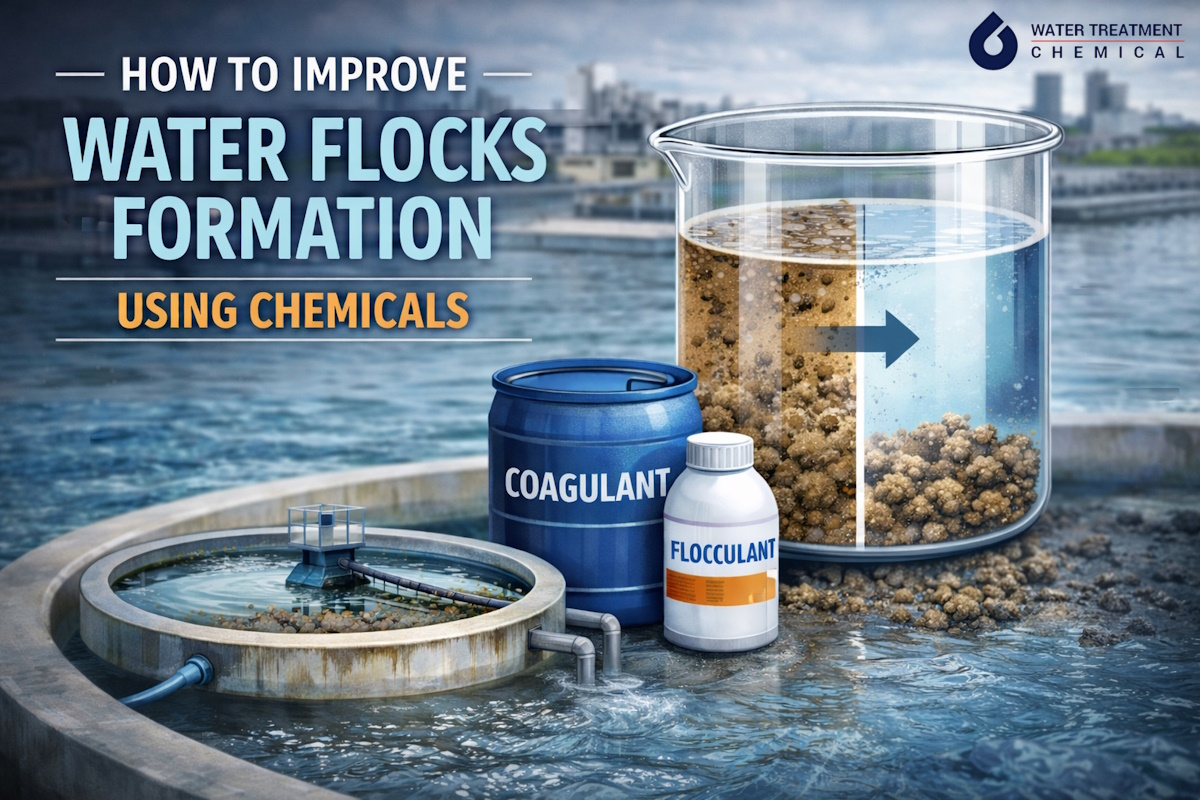
Water flocks are small groups of particles that stick together during water treatment. These particles may include dirt, organic matter, bacteria, oil, and other waste materials. On their own, these particles are too small to settle at the bottom of a tank. When they join together, they become heavier and settle faster.
This process makes water clearer and easier to clean. Strong water flocks mean better removal of impurities and cleaner water at the end of treatment.
Want better water flocks results for your treatment plant?
Why Water Flocks Formation Is Important
Water flocks formation plays a key role in water and wastewater treatment. Without proper flocks, treatment systems struggle to remove fine particles. This leads to poor water quality and higher treatment costs.
Good water flocks help in many ways:
- Faster settling of particles
- Clearer water output
- Better filtration performance
- Lower chemical usage in later steps
- Reduced load on filters and membranes
In wastewater plants, strong flocks also help meet environmental rules before water is released back into nature.
Common Problems With Poor Water Flocks
Many treatment plants face issues with weak or unstable water flocks. Some common problems include:
- Flocks breaking apart easily
- Slow settling rates
- Cloudy water after treatment
- High chemical usage
- Poor sludge quality
These problems often happen because of poor chemical selection, wrong dosage, or changes in water quality.
How Chemicals Improve Water Flocks Formation
Chemicals play a major role in forming and strengthening water flocks. These chemicals are called flocculants and coagulants. They help small particles come together and stay together.
The right chemical choice can greatly improve flock size, strength, and settling speed.
Difference Between Coagulation and Flocculation
Before we go deeper, it is important to understand the difference between coagulation and flocculation.
Coagulation
Coagulation is the first step. In this stage, chemicals neutralize the charge on small particles. Most particles in water have a negative charge, which makes them repel each other. Coagulants reduce this charge so particles can come closer.
Flocculation
Flocculation is the second step. Flocculants help particles link together and form larger water flocks. These flocks are heavy enough to settle or be filtered out.
Both steps work together to improve water quality.
Types of Chemicals Used to Improve Water Flocks
There are several chemicals used to improve water flocks formation. Each type works in a different way and suits different water conditions.
Inorganic Coagulants
Inorganic coagulants are widely used in water treatment. They are effective and cost friendly.
Common Inorganic Coagulants
- Aluminum sulfate
- Ferric chloride
- Ferric sulfate
- Polyaluminum chloride
These chemicals work by neutralizing particle charges. Once charges are reduced, particles can group together and form water flocks.
Benefits
- Fast reaction
- Good performance in many water types
- Easy to handle
Limitations
- Can increase sludge volume
- Performance depends on pH
- May need pH adjustment
Organic Flocculants
Organic flocculants are long chain polymers. They help particles bind together strongly and form large flocks.
Types of Organic Flocculants
- Anionic polymers
- Cationic polymers
- Nonionic polymers
Each type works best with certain water conditions and particle types.
Benefits
- Strong water flocks
- Lower dosage needed
- Better sludge quality
Limitations
- Higher cost than inorganic chemicals
- Sensitive to overdosing
Natural Flocculants
Natural flocculants are made from plant or animal sources. They are becoming popular due to environmental concerns.
Examples
- Starch based flocculants
- Chitosan
- Plant extracts
Benefits
- Eco friendly
- Low toxicity
- Biodegradable
Limitations
- Lower strength in some cases
- Shorter shelf life
How Flocculants for Wastewater Treatment Work
Flocculants for wastewater treatment are designed to handle complex waste streams. Wastewater often contains oils, grease, heavy metals, and organic waste.
These flocculants work by:
- Bridging particles together
- Increasing flock size
- Improving settling speed
- Reducing water turbidity
Using the right flocculants for wastewater treatment helps plants meet discharge standards and protect the environment.
Need help selecting flocculants for wastewater treatment?
Factors That Affect Water Flocks Formation
Several factors influence how well water flocks form. Understanding these helps operators improve performance.
Water pH
pH affects chemical performance. Most coagulants and flocculants work best within a specific pH range. If pH is too high or too low, flock formation suffers.
Regular pH testing and adjustment is important.
Mixing Speed and Time
Good mixing helps chemicals spread evenly. Too much mixing can break flocks, while too little mixing leads to weak formation.
Gentle and controlled mixing during flocculation gives the best results.
Chemical Dosage
Correct dosage is critical. Underdosing leads to weak flocks. Overdosing can cause flocks to break apart or restabilize particles.
Jar testing helps find the right dose.
Temperature
Cold water slows chemical reactions. In colder conditions, higher dosage or longer mixing time may be needed to maintain good water flocks.
Particle Type and Size
Different particles react differently to chemicals. Fine particles need stronger or specific flocculants to form stable flocks.
Steps to Improve Water Flocks Formation Using Chemicals
Improving water flocks formation is a step by step process.
Step 1: Analyze Water Quality
Start by testing water for:
- pH
- Turbidity
- Particle type
- Organic content
This data helps choose the right chemical.
Step 2: Choose the Right Chemical
Select coagulants and flocculants based on water analysis. A trusted water treatment chemical supplier can help with this step.
Step 3: Perform Jar Tests
Jar testing simulates real treatment conditions. It helps find the best chemical type and dosage.
Jar tests reduce guesswork and save money.
Step 4: Optimize Mixing Conditions
Adjust mixing speed and time. Start with fast mixing for coagulation and slow mixing for flocculation.
Step 5: Monitor and Adjust
Water quality can change daily. Regular monitoring ensures water flocks stay strong and stable.
Importance of Working With a Reliable Water Treatment Chemical Supplier
Choosing the right water treatment chemical supplier is just as important as choosing the chemical itself.
A good supplier offers:
- High quality products
- Technical support
- On site testing help
- Custom chemical solutions
- Reliable delivery
Working closely with an experienced water treatment chemical supplier helps improve results and reduce operational problems.
Role of Chemical Suppliers in Optimization
Suppliers do more than sell chemicals. They help optimize the entire process.
They can:
- Recommend the best flocculants for wastewater treatment
- Help adjust dosage
- Train plant staff
- Provide performance reviews
This partnership leads to stronger water flocks and better treatment outcomes.
Environmental Benefits of Better Water Flocks
Improving water flocks formation has environmental benefits.
- Cleaner discharge water
- Lower chemical waste
- Reduced sludge volume
- Better protection of rivers and lakes
Efficient water treatment supports sustainability goals.
Cost Benefits of Improved Water Flocks
Strong water flocks reduce operating costs.
- Less chemical usage
- Lower energy needs
- Reduced filter cleaning
- Longer equipment life
Investing in the right chemicals and suppliers saves money over time.
Common Mistakes to Avoid
Many plants face issues due to simple mistakes.
1. Using One Chemical for All Conditions
Water quality changes. Using the same chemical without adjustment leads to poor results.
2. Ignoring Jar Testing
Skipping jar tests often causes overdosing or underdosing.
3. Poor Mixing Control
Incorrect mixing breaks flocks or prevents formation.
4. Choosing Chemicals Only by Price
Low cost chemicals may lead to higher long term expenses due to poor performance.
Future Trends in Water Flocks Formation
Water treatment is evolving. New trends include:
- Advanced polymer blends
- Smart dosing systems
- Eco friendly flocculants
- Real time water monitoring
These advances will further improve water flocks formation and treatment efficiency.
Conclusion
Water flocks formation is a critical step in water and wastewater treatment. Strong and stable flocks improve water quality, reduce costs, and protect the environment.
Using the right chemicals, especially proper flocculants for wastewater treatment, makes a big difference. Careful testing, correct dosage, and proper mixing all play key roles.
Working with a reliable water treatment chemical supplier ensures long term success. With the right approach, treatment plants can achieve cleaner water, better compliance, and sustainable operations.
Improving water flocks is not just a technical goal. It is a step toward a cleaner and safer future for everyone.
Looking for a trusted water treatment chemical supplier?