
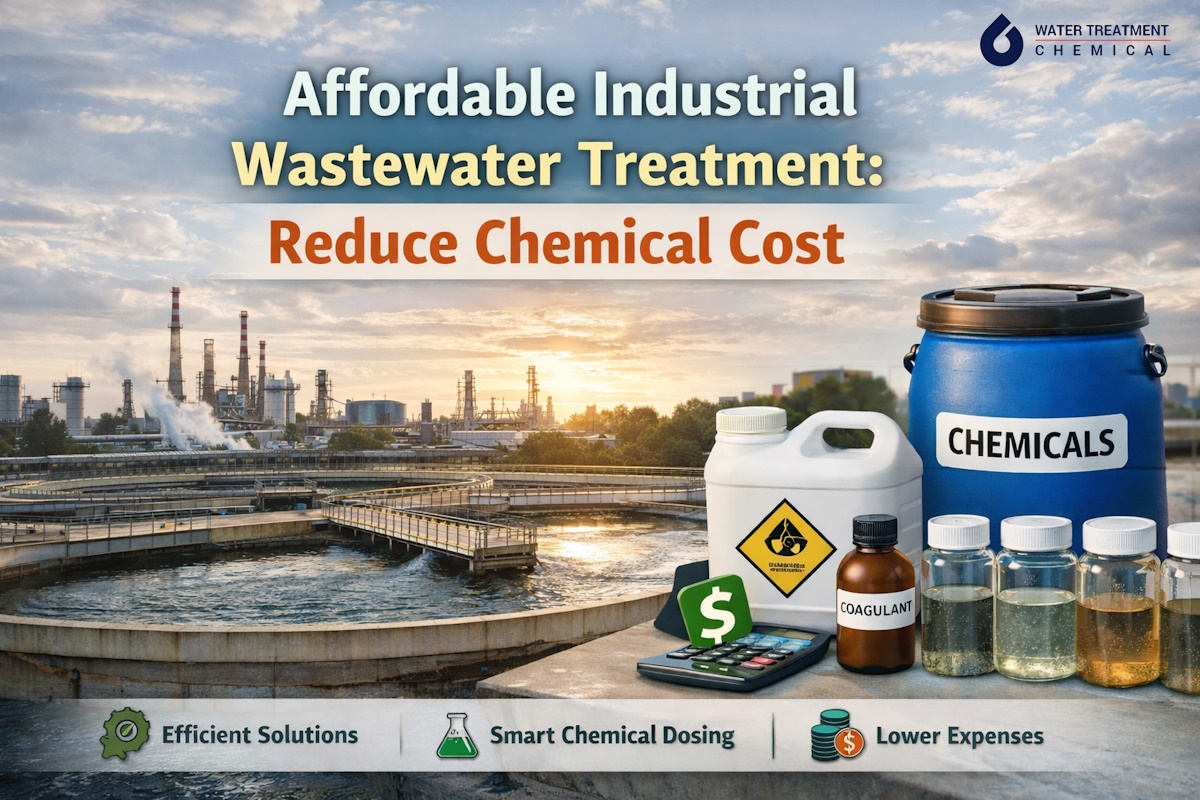
Wastewater treatment is a major part of industrial operations. Almost every industry uses water in one form or another. After use, this water becomes polluted and needs treatment before it can be reused or released. Treating wastewater is not only a legal requirement but also a responsibility toward the environment.
One of the biggest challenges industries face today is the rising cost of chemicals used in wastewater treatment. Chemicals are needed to remove harmful solids, oils, metals, and other pollutants. However, using too many chemicals or using them incorrectly can increase operating costs and reduce profits.
This article explains how industries can reduce chemical costs while still maintaining effective treatment performance. The focus is on practical steps, smart planning, and efficient processes that support Affordable Industrial Wastewater Treatment without harming water quality or breaking rules.
Looking to reduce wastewater treatment chemical costs?
Understanding Chemical Use in Industrial Wastewater Treatment
Before reducing chemical costs, it is important to understand why chemicals are used in the first place.
Why Chemicals Are Needed
In industrial wastewater treatment, chemicals help in:
- Removing suspended solids
- Breaking down oils and grease
- Adjusting pH levels
- Removing heavy metals
- Killing harmful bacteria
- Improving settling and filtration
Common chemicals include coagulants, flocculants, acids, alkalis, disinfectants, and oxidizing agents. Each chemical has a specific role and must be used in the correct amount.
The Problem With Overuse
Many industries use more chemicals than needed because of poor control, lack of testing, or fear of failing discharge limits. Overuse leads to:
- Higher chemical bills
- Increased sludge production
- More handling and storage costs
- Safety risks for workers
- Damage to treatment equipment
Reducing chemical cost does not mean reducing treatment quality. It means using chemicals in a smarter and more controlled way.
Conduct a Detailed Wastewater Analysis
One of the most effective ways to reduce chemical cost is to fully understand your wastewater.
Know What Is in Your Wastewater
Every industry produces different wastewater. Textile wastewater is different from food processing wastewater. Chemical plant wastewater is different from metal finishing wastewater.
A detailed wastewater analysis helps identify:
- pH level
- Total suspended solids
- Oil and grease content
- Chemical oxygen demand
- Heavy metals
- Flow variations
Without this data, industries often guess chemical doses, which leads to waste.
Test Regularly
Wastewater quality can change daily or even hourly. Regular testing helps adjust chemical doses based on actual need instead of fixed assumptions.
Testing can be done in-house or with the help of a laboratory. Even basic testing can result in large cost savings over time.
Optimize Chemical Dosing
Chemical dosing is one of the biggest areas where money is wasted.
Avoid Manual Dosing
Manual dosing often leads to inconsistency. Operators may add extra chemicals to be safe, which increases cost.
Automatic dosing systems adjust chemical addition based on real-time measurements. These systems reduce overuse and improve treatment stability.
Use Jar Testing
Jar testing is a simple and low-cost method to find the correct chemical dose. It helps identify:
- The most effective chemical
- The lowest effective dose
- The best mixing time
By using jar testing regularly, industries can reduce chemical use by a significant amount.
Need help optimizing chemical usage?
Improve Physical Treatment Before Chemical Treatment
Chemicals should support treatment, not replace basic physical processes.
Remove Solids Early
Large solids, grit, and debris should be removed using screens, grit chambers, or settling tanks before adding chemicals. If solids are removed early, fewer chemicals are needed later.
Use Oil and Grease Traps
Oil and grease reduce chemical efficiency. Installing oil separators or grease traps before chemical treatment can lower chemical demand and improve results.
Improve Mixing and Contact Time
Poor mixing is a hidden cause of chemical waste.
Ensure Proper Mixing
If chemicals are not mixed well, they do not react properly with pollutants. This leads operators to add more chemicals than needed.
Good mixers ensure that chemicals spread evenly and work efficiently.
Optimize Contact Time
Chemicals need enough time to react. Too little time leads to poor treatment. Too much time increases cost and sludge production.
Proper tank design and flow control help maintain the right balance.
Reduce Sludge Production
More chemicals often mean more sludge. Handling sludge is expensive.
Choose Low Sludge Chemicals
Some chemicals produce less sludge than others. Working with an experienced water treatment chemical supplier can help identify chemicals that give the same result with less waste.
Dewater Sludge Efficiently
Better sludge dewatering reduces disposal cost. When sludge volume is reduced, chemical use in sludge treatment also decreases.
Improve Operator Training
People play a big role in chemical cost control.
Train Operators Regularly
Well-trained operators understand:
- Why chemicals are used
- How to adjust doses
- How to respond to changes in wastewater
Training reduces mistakes, overuse, and safety risks.
Encourage Cost Awareness
When operators understand how chemical use affects costs, they become more careful and responsible. Simple awareness programs can lead to noticeable savings.
Use Process Control and Automation
Automation helps reduce human error and improve consistency.
Install Sensors and Controllers
Sensors for pH, turbidity, and flow help control chemical dosing accurately. Controllers adjust dosing automatically based on real-time data.
Monitor Trends
Tracking data over time helps identify patterns and problems. For example, sudden increases in chemical use may point to upstream process issues.
Improve Upstream Industrial Processes
Wastewater treatment begins before wastewater is created.
Reduce Pollution at the Source
When industries reduce pollution in production processes, wastewater becomes easier and cheaper to treat.
Examples include:
- Using less water
- Replacing harmful chemicals with safer ones
- Preventing leaks and spills
- Reusing process water
Cleaner wastewater requires fewer treatment chemicals.
Reuse Treated Water Where Possible
Water reuse supports Affordable Industrial Wastewater Treatment by reducing both water and chemical costs.
Benefits of Water Reuse
- Lower freshwater intake
- Reduced discharge volume
- Stable wastewater quality
- Better control of treatment conditions
When water is reused, treatment systems operate more consistently, which improves chemical efficiency.
Select the Right Water Treatment Chemical Supplier
Choosing the right supplier makes a big difference.
Look Beyond Price
The cheapest chemical is not always the most cost-effective. Poor-quality chemicals may require higher doses and create more sludge.
A good water treatment chemical supplier offers:
- High-quality products
- Technical support
- On-site testing
- Process optimization advice
Work as a Partner
Suppliers with industry experience can suggest alternative chemicals or improved dosing strategies. This partnership approach supports long-term cost reduction.
Switch to Multi-Functional Chemicals
Using multiple chemicals for different steps increases cost and complexity.
Benefits of Multi-Functional Chemicals
Some modern chemicals perform more than one function. For example, a single product may adjust pH and improve settling.
Using fewer chemicals reduces:
- Purchase cost
- Storage space
- Handling risks
- Dosing equipment needs
This approach is useful in water treatment solutions for industries aiming to simplify operations.
Improve Maintenance of Treatment Equipment
Poorly maintained equipment wastes chemicals.
Prevent Leaks and Blockages
Leaking pipes, clogged injectors, and worn pumps cause uneven dosing. This leads to higher chemical use and poor treatment.
Regular maintenance ensures accurate and efficient chemical delivery.
Calibrate Equipment
Dosing pumps and sensors must be calibrated regularly. Incorrect readings cause over-dosing or under-dosing.
Control Flow Variations
Sudden changes in flow increase chemical demand.
Equalization Tanks
Equalization tanks help balance flow and pollutant load. When wastewater enters treatment at a steady rate, chemical dosing becomes more accurate and efficient.
Avoid Shock Loads
Production changes, cleaning activities, and spills can create shock loads. Planning and scheduling these activities help reduce treatment stress and chemical use.
Use Data to Drive Decisions
Data is a powerful tool for cost reduction.
Track Chemical Usage
Monitoring chemical consumption per unit of treated water helps identify inefficiencies.
Set Performance Targets
Clear targets help teams focus on improvement. For example, reducing chemical cost by a certain percentage over a year.
Data-based decisions support continuous improvement and reliable industrial wastewater treatment performance.
Evaluate Alternative Treatment Technologies
Sometimes chemicals are used because better technology is not in place.
Consider Biological Treatment
Biological treatment uses bacteria instead of chemicals to break down pollutants. When suitable, it can greatly reduce chemical use.
Use Membrane or Filtration Systems
Advanced filtration can reduce chemical demand by removing pollutants physically rather than chemically.
These options require investment but often provide long-term savings.
Improve Communication Between Departments
Wastewater treatment should not work in isolation.
Coordinate With Production Teams
Production changes affect wastewater quality. Better communication allows treatment teams to prepare and adjust dosing in advance.
Share Cost Information
When departments understand the cost impact of their actions, they become more careful with water and chemical use.
Perform Regular Audits and Reviews
Continuous review helps maintain savings.
Internal Audits
Regular internal audits identify issues early and keep systems optimized.
External Expert Reviews
External experts can provide fresh insights and identify hidden opportunities for cost reduction.
Audits are a key part of long-term water treatment solutions for industries.
Balance Cost Reduction With Compliance
Reducing chemical cost should never risk compliance.
Follow Regulations
Always meet discharge limits and safety standards. Non-compliance leads to fines, shutdowns, and loss of reputation.
Maintain Safety
Chemical reduction should not compromise worker safety. Proper handling, storage, and training remain essential.
Affordable treatment is about efficiency, not shortcuts.
Conclusion
Reducing chemical cost in wastewater treatment is both possible and practical. It does not require cutting corners or lowering treatment quality. Instead, it requires better understanding, smarter control, and continuous improvement.
By analyzing wastewater properly, optimizing dosing, improving processes, training operators, and working with the right water treatment chemical supplier, industries can achieve Affordable Industrial Wastewater Treatment that meets environmental standards and supports business goals.
Modern industrial wastewater treatment is no longer just about compliance. It is about efficiency, sustainability, and cost control. With the right strategies, industries can reduce chemical use, lower operating costs, and protect water resources for the future.
Want affordable industrial wastewater treatment?