
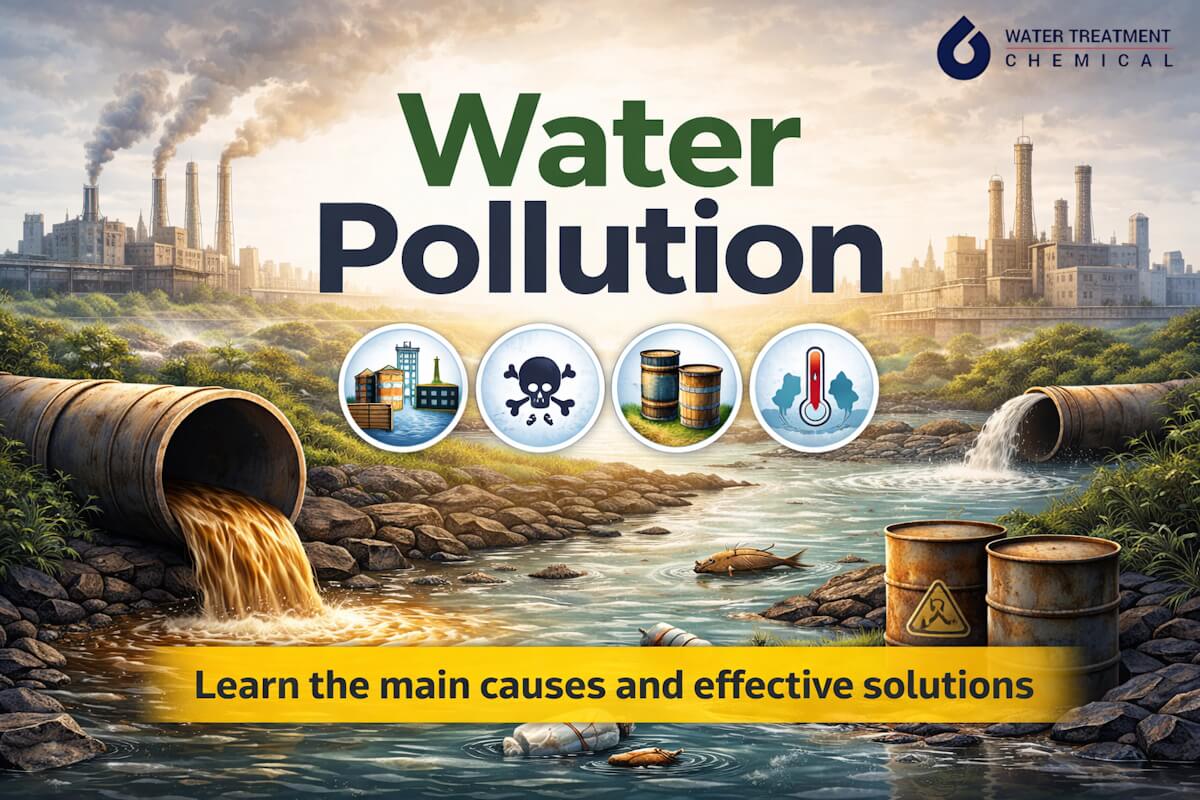
Water is one of the most important natural resources on Earth. Every living thing depends on clean water to survive. Humans use water for drinking, farming, cleaning, power generation, and manufacturing. However, water pollution has become a serious global problem. Rivers, lakes, and underground water sources are becoming unsafe due to harmful waste released into them. One of the biggest contributors to this issue is industrial activity.
Industries support economic growth and provide jobs, but they also produce large amounts of waste. When this waste is not treated properly, it enters water bodies and causes damage to the environment and human health. Understanding industrial water pollution causes is the first step toward solving this problem. Equally important is learning about effective water pollution treatment and modern water treatment solutions that industries can use to reduce their impact.
This article explains the top causes of water pollution linked to industries and discusses practical and effective countermeasures that can help protect water resources for future generations.
Not sure how to reduce industrial water pollution in your facility?
Understanding Water Pollution
Water pollution happens when harmful substances mix with water and reduce its quality. These substances can be chemical, physical, or biological. Polluted water is unsafe for drinking, farming, and aquatic life. It can spread diseases, damage ecosystems, and create long-term environmental problems.
Industrial water pollution is especially dangerous because it often contains toxic materials. These materials do not break down easily and can stay in water and soil for many years. Some pollutants even move through the food chain and affect animals and humans far away from the source.
Overview of Industrial Water Pollution Causes
Industries use water at almost every stage of production. Water is used for cooling, cleaning, processing, and transporting materials. After use, this water becomes wastewater. If industries release this wastewater without proper treatment, it leads to serious pollution.
Industrial water pollution causes can vary depending on the type of industry, the materials used, and the waste management system in place. However, several major causes are common across many sectors.
Discharge of Untreated Industrial Wastewater
One of the biggest industrial water pollution causes is the direct discharge of untreated or poorly treated wastewater into rivers and lakes. Many factories release wastewater that contains chemicals, oils, metals, and other harmful substances.
This wastewater often comes from chemical manufacturing units, textile factories, paper and pulp industries, food processing plants, and oil refineries.
When wastewater is released without proper water pollution treatment, it reduces oxygen levels in water and kills fish and other aquatic life. It also makes the water unsafe for human use.
Chemical Pollution from Industrial Processes
Industries use many chemicals during production. These chemicals include acids, solvents, dyes, pesticides, and cleaning agents. When these chemicals enter water sources, they change the natural balance of the water.
Chemical pollution can damage the skin and organs of aquatic animals, poison drinking water sources, cause long term health problems in humans, and make water unfit for agriculture.
Chemical waste is difficult to remove once it enters water bodies. This is why effective water treatment solutions are essential for industries that handle hazardous chemicals.
Heavy Metal Contamination
Heavy metals are another major contributor to industrial water pollution. These metals include mercury, lead, cadmium, chromium, and arsenic. They come from industries such as mining, metal processing, battery manufacturing, and electronics production.
Heavy metals do not dissolve or break down easily. They settle in riverbeds and enter the food chain through fish and plants. Over time, these metals accumulate in the human body and can cause serious health issues such as nerve damage, kidney failure, and cancer.
Oil and Grease Pollution
Oil spills and oily waste from industries are common sources of water pollution. Industries like oil refineries, shipping, and automobile manufacturing generate oily wastewater.
When oil enters water, it forms a layer on the surface, blocks oxygen from entering the water, harms fish, birds, and plants, and makes water difficult to treat and clean.
Oil pollution can spread quickly and affect large areas, making water pollution treatment more complex and costly.
Thermal Pollution from Industrial Cooling
Many industries use water to cool machines and equipment. After use, this water is often warmer than natural water sources. When hot water is released into rivers or lakes, it causes thermal pollution.
Thermal pollution:
- Reduces oxygen levels in water
- Stresses aquatic animals
- Changes natural breeding cycles
- Increases harmful bacteria growth
Even though warm water may look clean, it can cause serious environmental damage.
Solid Waste Dumping into Water Bodies
Some industries dump solid waste directly into water bodies. This waste may include plastic, sludge, scrap materials, and packaging waste.
Solid waste:
- Blocks water flow
- Creates breeding grounds for harmful bacteria
- Releases toxins as it breaks down
- Harms aquatic animals through ingestion or injury
Proper waste handling is a key part of reducing industrial water pollution causes.
Agricultural Industries and Runoff Pollution
Industrial farming and food processing units also contribute to water pollution. Fertilizers, pesticides, and animal waste often wash into nearby water bodies through rainwater runoff.
This type of pollution:
- Causes algae growth
- Reduces oxygen in water
- Kills fish and plants
- Makes water unsafe for drinking
Confused about choosing the right water treatment system for your industry?
Lack of Proper Waste Management Systems
Many industries lack proper wastewater treatment plants or do not maintain them well. In some cases, industries try to reduce costs by avoiding water pollution treatment.
Common issues include:
- Old treatment equipment
- Poor monitoring systems
- Lack of trained staff
- Weak enforcement of environmental laws
Without strong waste management systems, pollution continues to increase.
Impact of Industrial Water Pollution on Human Health
Polluted water affects millions of people worldwide. Industrial pollutants can enter drinking water supplies and cause diseases.
Health risks include:
- Skin infections
- Stomach diseases
- Breathing problems
- Cancer
- Damage to internal organs
Children and elderly people are especially vulnerable. Clean water is not a luxury but a basic human need.
Environmental Damage Caused by Industrial Water Pollution
Water pollution damages ecosystems. Fish, plants, and microorganisms depend on clean water to survive.
Environmental effects include:
- Loss of aquatic species
- Destruction of coral reefs
- Reduced biodiversity
- Long-term soil pollution
Once ecosystems are damaged, recovery can take many years.
Importance of Water Pollution Treatment in Industries
Water pollution treatment is the process of removing harmful substances from wastewater before it is released into the environment. Effective treatment helps protect water resources and public health.
Benefits of proper treatment include:
- Cleaner rivers and lakes
- Safer drinking water
- Healthier ecosystems
- Compliance with environmental laws
- Improved public image for industries
Investing in water treatment solutions is both an environmental and economic responsibility.
Primary Methods of Industrial Water Pollution Treatment
Industries use several treatment methods depending on the type of waste produced.
1. Physical Treatment Methods
These methods remove solid particles from wastewater using screens, filters, and settling tanks. Physical treatment is usually the first step in wastewater treatment.
2. Chemical Treatment Methods
Chemical treatment involves adding substances that react with pollutants to make them easier to remove. This includes neutralization, coagulation, and disinfection.
3. Biological Treatment Methods
Biological treatment uses microorganisms to break down organic waste. This method is commonly used in food and paper industries.
Each method plays an important role in effective water pollution treatment.
Advanced Water Treatment Solutions for Industries
Modern industries are now using advanced water treatment solutions to improve efficiency and reduce pollution.
1. Membrane Filtration Systems
These systems use special membranes to remove tiny pollutants from water. They are effective in removing chemicals and heavy metals.
2. Zero Liquid Discharge Systems
This method ensures that no wastewater is released into the environment. Water is treated, reused, and recycled within the industry.
3. Smart Monitoring Systems
Digital tools help industries track water quality in real time. This allows quick action if pollution levels rise.
Advanced water treatment solutions help industries meet strict environmental standards.
Reuse and Recycling of Industrial Water
One effective countermeasure is water reuse. Treated wastewater can be reused for cooling, cleaning, or irrigation.
Benefits include:
- Reduced water consumption
- Lower pollution levels
- Cost savings
- Sustainable water use
Water recycling reduces pressure on natural water sources.
Strong Environmental Regulations and Compliance
Governments play a key role in controlling industrial water pollution causes. Strong laws and regular inspections help ensure industries follow proper practices.
Industries must:
- Meet discharge standards
- Maintain treatment plants
- Report pollution data
- Pay penalties for violations
Strict enforcement encourages responsible behavior.
Employee Training and Awareness
Industrial workers must understand the importance of water protection. Training programs help employees handle chemicals safely and manage waste properly.
Awareness leads to:
- Reduced accidents
- Better waste handling
- Improved treatment efficiency
- Strong environmental culture
People are the key to effective pollution control.
Role of Corporate Responsibility in Water Protection
Many companies now focus on environmental responsibility. They invest in clean technologies and support water conservation projects.
Responsible industries:
- Use eco friendly materials
- Reduce water usage
- Invest in water treatment solutions
- Support local communities
Corporate responsibility helps build trust and long-term success.
Community and Industry Collaboration
Industries can work with local communities and authorities to protect water sources. Sharing information and resources improves results.
Collaboration helps:
- Identify pollution sources
- Improve treatment systems
- Educate the public
- Protect shared water bodies
Water protection is a shared responsibility.
Future Outlook for Industrial Water Pollution Control
Technology and awareness are improving. More industries are adopting sustainable practices and modern treatment methods.
Future trends include:
- Increased use of recycled water
- Better monitoring systems
- Cleaner production methods
- Stronger global standards
With the right actions, industrial water pollution can be reduced significantly.
Conclusion
Water pollution is one of the most serious environmental challenges today. Industrial activities are a major source of this problem, but they are also part of the solution. Understanding industrial water pollution helps industries and governments take the right steps.
Effective water pollution treatment and modern water treatment solutions can protect water resources, improve public health, and support sustainable growth. By investing in proper systems, following regulations, and promoting awareness, industries can reduce their environmental impact.
Clean water is essential for life, development, and the future of our planet. Protecting it is not just an option but a responsibility that everyone must share.
Looking for cost effective water pollution treatment for your plant?