
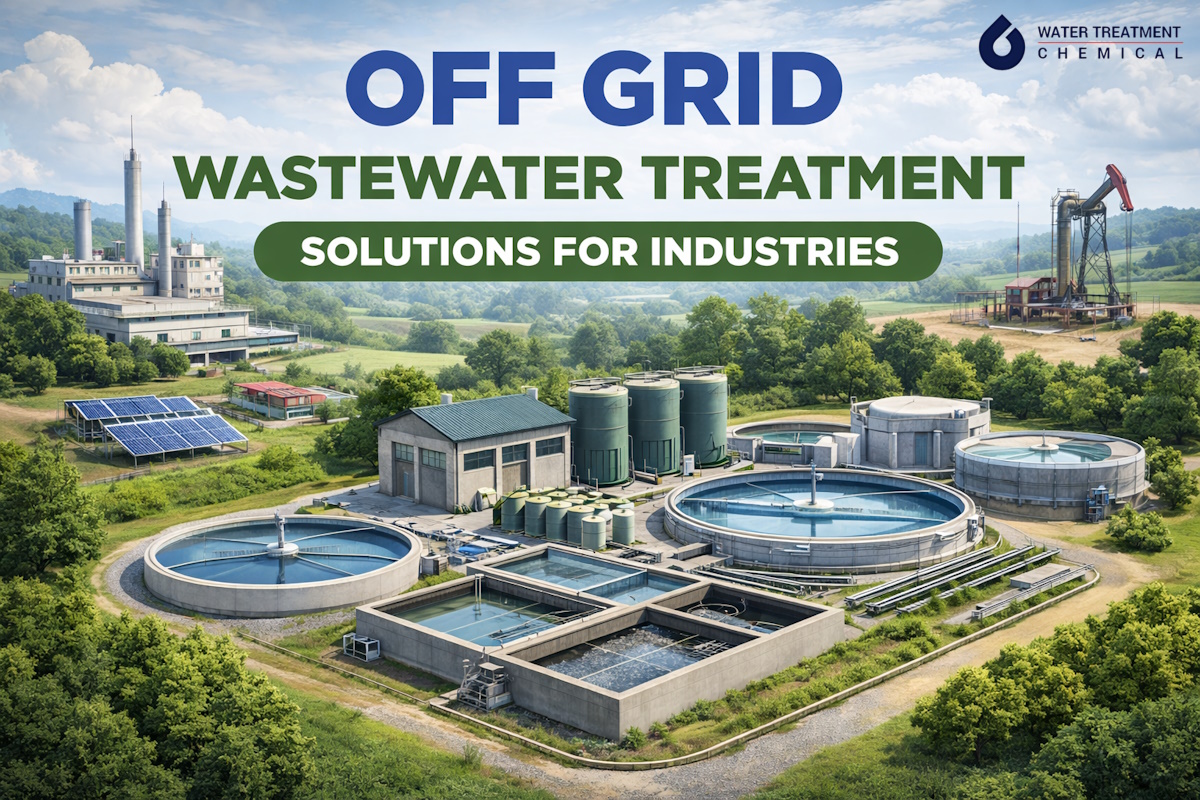
Water is one of the most important resources for every industry. From factories and farms to hotels and mining sites, water is used daily for many tasks. At the same time, industries also create wastewater that must be treated before it is released back into nature or reused. In many places, industries are located far from cities where central sewage systems are available. In such cases, off grid wastewater treatment becomes the best and sometimes the only solution.
Off grid wastewater treatment means treating wastewater on site without connecting to a public sewer system. These systems are designed to work independently and handle sewage and process water in a safe and controlled way. Today, many industries are turning to off grid wastewater treatment because it saves money, protects the environment, and supports sustainable growth.
This article explains off grid wastewater treatment in detail. It also covers how different industries use these systems, the benefits they offer, and how they support modern water treatment solutions.
Looking for a reliable off grid wastewater treatment solution for your industry?
Understanding Off Grid Wastewater Treatment
Off grid wastewater treatment refers to systems that collect, treat, and manage wastewater at the point where it is produced. These systems do not depend on city sewer lines or large public treatment plants. Instead, they are built close to the industry site and designed to meet specific needs.
These systems can treat sewage wastewater treatment from restrooms, kitchens, and worker housing. They can also treat industrial wastewater that comes from production processes. The treated water can be released safely into the ground, reused for non drinking purposes, or stored for future use.
Off grid wastewater treatment systems are often used in remote areas. These include mining camps, oil and gas sites, construction zones, farms, resorts, and factories located outside city limits. They are also used where sewer connections are too costly or not available.
Why Industries Need Off Grid Wastewater Treatment
Many industries face challenges when it comes to wastewater management. Connecting to a city sewer line may not be possible due to distance, cost, or local rules. In some regions, water supply is limited, making reuse of treated water very important.
Off grid wastewater treatment helps industries solve these problems. It allows them to manage sewage wastewater treatment on site while meeting safety and environmental standards. It also helps reduce water waste by allowing treated water to be reused for cleaning, cooling, or irrigation.
Industries also face pressure to reduce their environmental impact. Governments, customers, and communities expect companies to act responsibly. Using modern water treatment solutions shows a strong commitment to sustainability and environmental care.
Key Parts of an Off Grid Wastewater Treatment System
An off grid wastewater treatment system usually includes several main parts. Each part plays an important role in cleaning the wastewater.
The first part is the collection system. This includes pipes and tanks that collect wastewater from different areas of the site.
The next part is primary treatment. Here, solid waste settles at the bottom of a tank, and lighter materials float to the top. This step removes large solids from the water.
Secondary treatment is the most important stage. It uses natural or mechanical processes to break down organic matter. This stage is critical for proper sewage wastewater treatment.
In some cases, tertiary treatment is added. This step removes remaining pollutants and improves water quality even further. It may include filtration or disinfection.
The final part is discharge or reuse. Treated water can be released into the soil, surface water, or reused for industrial purposes depending on local rules.
Off Grid Wastewater Treatment in Manufacturing Industries
Manufacturing plants produce different types of wastewater. This includes sewage from workers and process water from production lines. The amount and type of wastewater depend on the products being made.
Off grid wastewater treatment systems for manufacturing are designed to handle both sewage wastewater treatment and industrial wastewater. These systems are often customized to remove oils, chemicals, and organic matter.
By using off grid wastewater treatment, manufacturers can operate in remote areas without worrying about sewer connections. They can also reuse treated water for cooling machines, washing floors, or landscaping.
This approach lowers water costs and reduces the need for fresh water. It also helps companies meet environmental rules and avoid fines.
Off Grid Wastewater Treatment for Food and Beverage Industries
The food and beverage industry uses large amounts of water for cleaning, cooking, and processing. As a result, it produces wastewater that contains organic waste, fats, and food particles.
Off grid wastewater treatment systems are very useful for this industry, especially for plants located outside cities. These systems are designed to handle high organic loads and provide reliable sewage wastewater treatment.
Treated water can be reused for cleaning outdoor areas or irrigation. Solid waste removed during treatment can sometimes be processed into compost or energy, depending on the system design.
Using off grid wastewater treatment helps food and beverage companies reduce water use and protect nearby land and water sources.
Ready to improve your wastewater handling?
Wastewater Treatment in Mining and Oil Sites
Mining and oil operations are often located in very remote areas. These sites usually have worker camps that produce sewage wastewater treatment needs, along with wastewater from drilling or processing activities.
Off grid wastewater treatment systems are ideal for such locations. They are built to work in harsh conditions and can handle changing wastewater volumes.
These systems help protect nearby soil and groundwater from pollution. They also allow companies to reuse treated water for dust control or equipment washing.
Using reliable water treatment solutions in mining and oil sites is critical for environmental safety and long term operations.
Off Grid Wastewater Treatment for Construction Projects
Large construction projects often operate for months or years before permanent infrastructure is built. During this time, worker housing, offices, and equipment create wastewater.
Off grid wastewater treatment systems offer a temporary but effective solution. These systems can be installed quickly and moved when the project ends.
They provide proper sewage wastewater treatment and help construction companies follow local environmental rules. Treated water can sometimes be reused for site cleaning or dust control.
This approach reduces the need for water transport and lowers overall project costs.
Wastewater Treatment for Hotels and Resorts
Hotels and resorts in remote or natural locations often do not have access to city sewer systems. At the same time, they must protect the environment that attracts their guests.
Off grid wastewater treatment allows these businesses to treat sewage wastewater treatment on site. Modern systems are quiet, efficient, and designed to blend into the landscape.
Treated water can be reused for gardens, lawns, and cooling systems. This reduces water use and supports eco friendly tourism.
Many resorts use advanced water treatment solutions as part of their green marketing efforts. Guests appreciate businesses that care for nature.
Off Grid Wastewater Treatment in Agriculture
Farms and agricultural operations also produce wastewater from animal housing, food processing, and worker facilities. In rural areas, sewer connections are rare.
Off grid wastewater treatment systems help farmers manage sewage wastewater treatment safely. These systems reduce pollution risks and protect soil and groundwater.
Treated water can be reused for irrigation, which is especially valuable in dry regions. This supports crop growth while saving fresh water.
Using proper water treatment solutions helps farmers meet environmental rules and maintain healthy land.
Environmental Benefits of Off Grid Wastewater Treatment
One of the biggest advantages of off grid wastewater treatment is environmental protection. Treating wastewater on site prevents harmful pollutants from reaching rivers, lakes, and groundwater.
These systems reduce water waste by allowing reuse. This is very important in areas facing water shortages.
Proper sewage wastewater treatment also protects public health by reducing the spread of harmful bacteria and viruses.
By choosing modern water treatment solutions, industries help preserve natural resources for future generations.
Cost Benefits for Industries
Off grid wastewater treatment can save money over time. While there is an initial setup cost, industries avoid expensive sewer connection fees.
They also save on water bills by reusing treated water. In some cases, companies can avoid fines related to wastewater discharge violations.
Maintenance costs are predictable and often lower than city sewer fees. Many systems are designed to be energy efficient and require minimal labor.
These financial benefits make off grid wastewater treatment a smart investment for many industries.
Challenges and How to Overcome Them
Like any system, off grid wastewater treatment has challenges. These include system design, maintenance, and operator training.
Choosing the right system for the type and volume of wastewater is very important. Poor design can lead to treatment problems.
Regular maintenance is needed to keep the system working properly. This includes checking tanks, pumps, and filters.
Training staff or working with experienced service providers helps ensure reliable sewage wastewater treatment.
With proper planning, these challenges can be managed successfully.
Role of Technology in Modern Water Treatment Solutions
Technology plays a big role in improving off grid wastewater treatment. Modern systems use sensors, automation, and smart controls.
These tools help monitor water quality and system performance. Problems can be detected early and fixed quickly.
Advanced treatment methods improve sewage wastewater treatment results and allow more water reuse.
Technology also helps systems operate with less energy and lower environmental impact.
Regulations and Compliance
Industries must follow local and national rules for wastewater treatment. These rules protect the environment and public health.
Off grid wastewater treatment systems are designed to meet these standards. Regular testing and reporting may be required.
Working with experienced water treatment solutions providers helps industries stay compliant.
Following regulations also improves a company’s reputation and builds trust with local communities.
Future of Off Grid Wastewater Treatment
The demand for off grid wastewater treatment is expected to grow. More industries are moving to remote areas, and water resources are becoming more limited.
Climate change and population growth increase the need for sustainable sewage wastewater treatment options.
Future systems will be more efficient, easier to manage, and better at water reuse.
Industries that invest in strong water treatment solutions today will be better prepared for future challenges.
Conclusion
Off grid wastewater treatment is an essential solution for many industries. It allows safe and effective sewage wastewater treatment without relying on city sewer systems. From manufacturing and food processing to mining, agriculture, and tourism, many sectors benefit from these systems.
By using off grid wastewater treatment, industries protect the environment, save water, and reduce costs. Modern water treatment solutions make it possible to treat wastewater efficiently and reuse it where needed.
As water becomes more valuable and environmental rules become stricter, off grid wastewater treatment will continue to play a key role in sustainable industrial development. Industries that choose the right systems and manage them well can operate responsibly while supporting long term growth.
Want a reliable wastewater system for your industry?