
Water is one of the most important resources on earth. Every home, business, and industry needs access to clean and safe water. As water sources become more polluted, the need for better water treatment solutions becomes more important. Among the many chemicals used in water purification, Poly Aluminium Chloride, often called PAC, has become a top choice for many water treatment plants. It is known for its strong performance, cost savings, and ability to make water clear and safe.
This guide explains everything you need to know about Poly Aluminium Chloride uses in water treatment. It covers how PAC works, why it is so popular, where it is used, and how a reliable water treatment chemical supplier can help industries and municipalities get the best results. Whether you are new to PAC or looking to understand it better, this article offers simple and clear information for all readers.
Looking for reliable PAC based solutions for your water system?
What is Poly Aluminium Chloride (PAC)
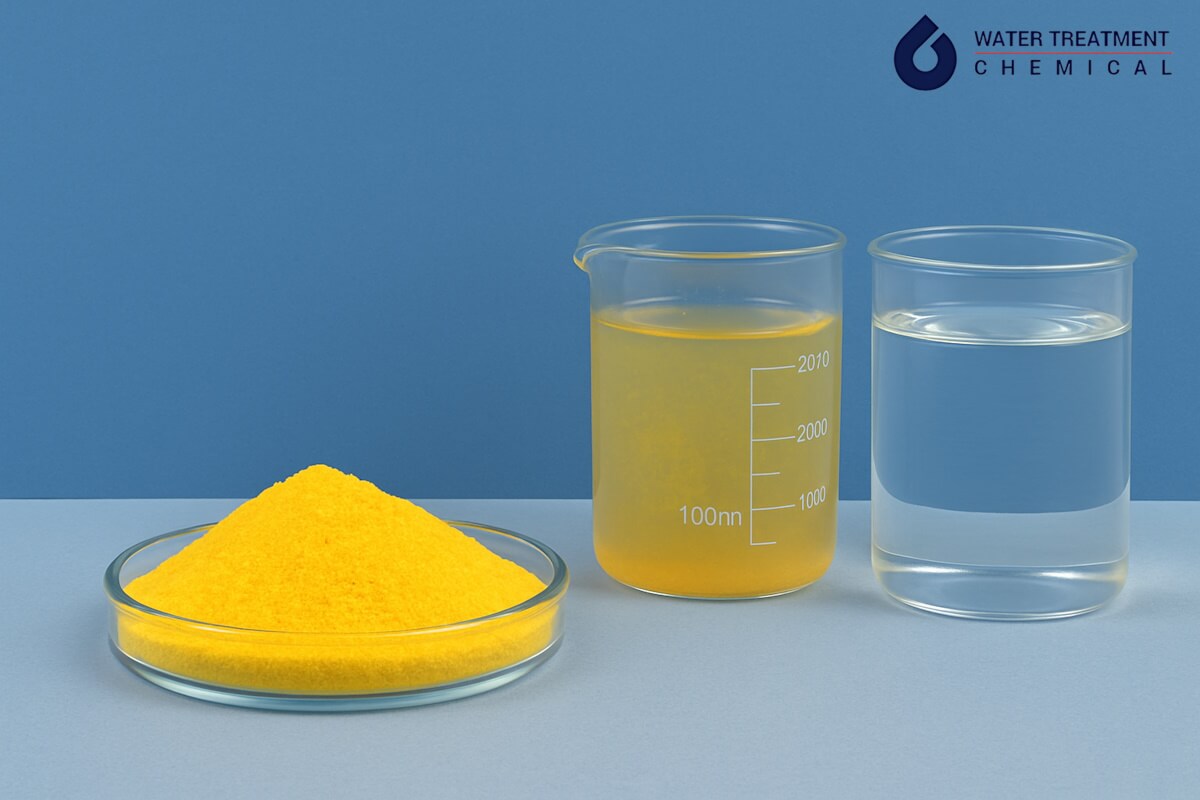
Poly Aluminium Chloride is a chemical coagulant widely used in water treatment. It is made by reacting aluminium with hydrochloric acid. The result is a substance that helps remove dirt, impurities, and dissolved particles from water. PAC is yellow or pale yellow in color and is available in both liquid and powder form.
Many people prefer PAC because it works better than traditional alum in many situations. It creates fewer impurities, works at a wider pH range, and produces less sludge. This makes PAC a cleaner and more efficient option for many industries and municipal water departments.
How PAC Works in Water Treatment
To understand Poly Aluminium Chloride uses in water treatment, it is important to know how the chemical works. PAC works by sticking to small particles in the water. Since these particles are too tiny to settle on their own, PAC helps them gather together. Once these particles clump into larger pieces, they fall to the bottom or can be filtered out easily.
The process has three simple steps.
1. Coagulation
PAC is added to water and begins to neutralize the charges of suspended particles. These are tiny pieces of dirt, clay, or organic matter.
2. Flocculation
After the particles lose their natural charge, they stick together. This forms bigger clusters called flocs.
3. Sedimentation or Filtration
The flocs either settle at the bottom or are removed through filtration systems. This leaves the water much clearer and safer for further treatment.
Because PAC works fast and forms strong flocs, it is one of the most effective water treatment solutions used today.
Advantages of Using Poly Aluminium Chloride
PAC provides many benefits that make it a preferred chemical in both industrial and drinking water treatment systems. The most common advantages include the following.
1. Works in a wide pH range
Unlike alum that works best in a limited pH level, PAC can work effectively in water with pH between 5 and 9. This gives operators more flexibility.
2. Faster clumping and settling
PAC creates strong flocs that settle quickly. This saves time and reduces energy use in treatment plants.
3. Lower chemical usage
PAC often needs a smaller dose than traditional coagulants. This helps reduce chemical costs.
4. Produces less sludge
Because PAC is more efficient, it creates less waste. This reduces cleaning and disposal costs.
5. Better performance in cold water
Many coagulants perform poorly in cold temperatures. PAC continues to work well even when water is very cold.
6. Improves water clarity
PAC produces very clear water with low turbidity. This is important for drinking water plants.
7. Reduces bacteria and organic matter
PAC helps remove harmful microorganisms and organic substances that can affect water quality.
With so many benefits, it is clear why PAC has become one of the most trusted water treatment solutions across different industries.
Want help selecting the best PAC grade for your plant?
Poly Aluminium Chloride Uses in Drinking Water Treatment
Clean drinking water is essential for public health. PAC plays an important role in helping cities and towns deliver safe water to their residents. Here are the most common Poly Aluminium Chloride uses in water treatment for drinking water production.
1. Removal of suspended solids
PAC effectively removes dirt, silt, clay, and other particles that make water cloudy. This greatly improves water clarity.
2. Reduction of turbidity
Turbidity refers to how cloudy or hazy water is. PAC reduces turbidity quickly and brings water to safe levels for drinking.
3. Removal of color
Surface waters often contain natural color caused by leaves, plants, and organic material. PAC removes this color and improves the appearance of water.
4. Elimination of microorganisms
PAC helps remove bacteria, viruses, and other pathogens by making them stick to flocs that are later filtered out.
5. Improvement of filter performance
The strong flocs created by PAC make filters last longer. This reduces maintenance needs and improves overall efficiency.
6. Lowering of residual aluminium
Unlike alum, PAC leaves a much lower aluminium residue in treated water. This is important for health and safety.
7. Support in final disinfection
By removing organic matter, PAC makes chlorine or other disinfectants more effective in the final treatment stage.
Because PAC offers safe, clean, and efficient results, it has become a preferred coagulant for municipal drinking water systems around the world.
Poly Aluminium Chloride Uses in Industrial Water Treatment
Industries use large quantities of water for different processes. Wastewater produced during these processes often contains chemicals, dyes, oils, metals, and many impurities. PAC is highly effective in treating industrial wastewater and preparing water for reuse or safe discharge.
Below are the main industrial applications.
1. Textile industry
Dyeing and washing produce wastewater that contains colors, chemicals, and solids. PAC helps remove these pollutants effectively.
2. Paper and pulp industry
This industry releases a lot of organic material and fibers into wastewater. PAC improves clarity and removes suspended solids.
3. Food and beverage industry
Factories that produce beverages, dairy products, and packaged foods use PAC to treat organic loads and improve water quality.
4. Oil and gas industry
PAC helps remove oil droplets, grease, and suspended solids in produced water and refinery wastewater.
5. Chemical manufacturing
Many chemical plants discharge wastewater with complex pollutants. PAC helps reduce chemical content and improve treatability.
6. Mining operations
Mining wastewater contains metals and suspended solids. PAC is used to settle heavy metals and improve water for reuse.
7. Pharmaceutical manufacturing
PAC helps remove organic matter and byproducts from drug production wastewater.
8. Cooling towers
PAC helps clean water used in cooling systems by removing impurities and preventing scale formation.
9. Steel and metal processing
PAC is used to treat wastewater containing metal particles, oils, and solids.
10. Industrial reuse systems
Many factories now recycle water to reduce waste. PAC plays an important role in making wastewater suitable for reuse.
PAC is preferred in industries that produce large amounts of dissolved solids, chemicals, or colored wastewater. Its fast action and strong floc formation make it ideal for heavy duty treatment applications.
Comparing PAC With Other Coagulants
PAC competes with chemicals such as alum, ferric chloride, and ferrous sulfate. Each has its own benefits and limitations. However, PAC often performs better for the following reasons.
PAC vs Alum
- PAC works in a wider pH range
- PAC produces less sludge
- PAC requires a smaller dose
- PAC reduces residual aluminium levels
- PAC performs better in cold water
PAC vs Ferric Chloride
- PAC creates stronger flocs
- PAC does not cause staining, while ferric chloride can stain equipment
- PAC has a milder odor
- PAC often produces clearer water
PAC vs Ferrous Sulfate
- PAC works faster
- PAC offers better turbidity reduction
- PAC does not add iron content to water
In most cases, PAC provides a better balance of performance, safety, and cost efficiency.
Factors to Consider When Using PAC
To get the best results from Poly Aluminium Chloride, water treatment operators must consider the following factors.
1. Water pH
PAC is flexible, but the pH level still affects the dose needed. Regular monitoring helps maintain efficiency.
2. Type of impurities
Different types of particles react differently. Industries with high organic loads may need more PAC.
3. Temperature
PAC works well in cold water, but extreme temperatures can change performance.
4. Mixing speed
Proper mixing ensures PAC joins with impurities evenly. Poor mixing reduces efficiency.
5. Dosage control
Using too much PAC increases cost and may lead to residual aluminium. Using too little reduces treatment quality.
6. Storage conditions
PAC should be stored away from moisture and sunlight to maintain quality.
Working with a reliable water treatment chemical supplier helps ensure the right PAC grade and dose for each system.
Choosing the Right PAC Grade
PAC comes in several grades, each designed for different uses. The most common ones include the following.
Drinking water grade
Used for municipal water supply. Meets strict safety standards.
Industrial grade
Used in factories and plants for heavy wastewater treatment.
High basicity grade
Used when strong floc formation is needed.
Low basicity grade
Used where slow and stable coagulation is required.
Spray dried PAC
High purity powder form suitable for sensitive applications.
Liquid PAC
Ideal for easy dosing and continuous treatment systems.
The right grade depends on water quality and treatment goals.
Why Choose PAC Over Other Chemicals
Many industries and municipal authorities switch to PAC for several reasons.
- Better overall performance
- Lower cost over time
- Fewer operational problems
- Cleaner and clearer water
- Lower aluminium and chemical residue
- Improved filter life
- Less sludge to handle
PAC delivers consistent results for both small and large scale water treatment systems.
Role of a Water Treatment Chemical Supplier
Working with a reliable water treatment chemical supplier is important for achieving strong PAC performance. A good supplier provides much more than chemicals. They offer technical support, regular testing, and guidance to help operators get the best out of their systems.
A trusted supplier helps with the following.
1. Selecting the right PAC grade
Different waters need different solutions. A supplier evaluates your water and recommends the best grade.
2. Optimizing dosage
Proper dosing saves money and improves performance.
3. Quality assurance
A supplier ensures that PAC is pure, safe, and meets industry standards.
4. On site support
Suppliers often help set up dosing systems and monitor treatment results.
5. Consistent supply
Industries and cities need chemicals regularly. A reliable supplier ensures steady delivery.
6. Cost savings
With expert advice, customers reduce waste and chemical use, which saves money.
Choosing a professional water treatment chemical supplier ensures long term success and trouble free operations.
Environmental Impact of PAC
PAC is considered a cleaner alternative to many older coagulants. It reduces chemical consumption, produces less sludge, and improves treatment efficiency. This helps lower the environmental footprint of water treatment plants.
Some environmental benefits include the following.
- Reduced waste disposal
- Lower aluminium levels in treated water
- Lower energy use due to faster treatment
- Better removal of harmful pollutants
- Safer for ecosystems when treated water is discharged
Sustainable water treatment solutions like PAC are essential for protecting natural water bodies.
Future Trends in PAC Use
As water demand grows and pollution increases, PAC will play an even more important role. Some future trends include:
- Greater use in wastewater recycling
- Stronger demand for high purity PAC grades
- More industries shifting to eco friendly chemicals
- Development of PAC blends for improved performance
- Higher use in decentralized water treatment systems
PAC will continue to be one of the most important chemicals in modern water treatment.
Conclusion
Poly Aluminium Chloride is one of the most effective and widely used coagulants in the world. From municipal drinking water treatment to heavy industrial wastewater management, PAC provides strong and reliable performance. Its ability to work in different water conditions, its low sludge production, and its cost savings make it a preferred choice for many treatment plants.
Understanding Poly Aluminium Chloride uses in water treatment helps operators choose the right grade, dosage, and supplier. When supported by a knowledgeable water treatment chemical supplier, PAC delivers clean, safe, and clear water while reducing operational costs.
As industries and communities look for better water treatment solutions, PAC will remain a leading option for ensuring healthy water systems and sustainable futures.
Ready to improve your water treatment system with PAC?