
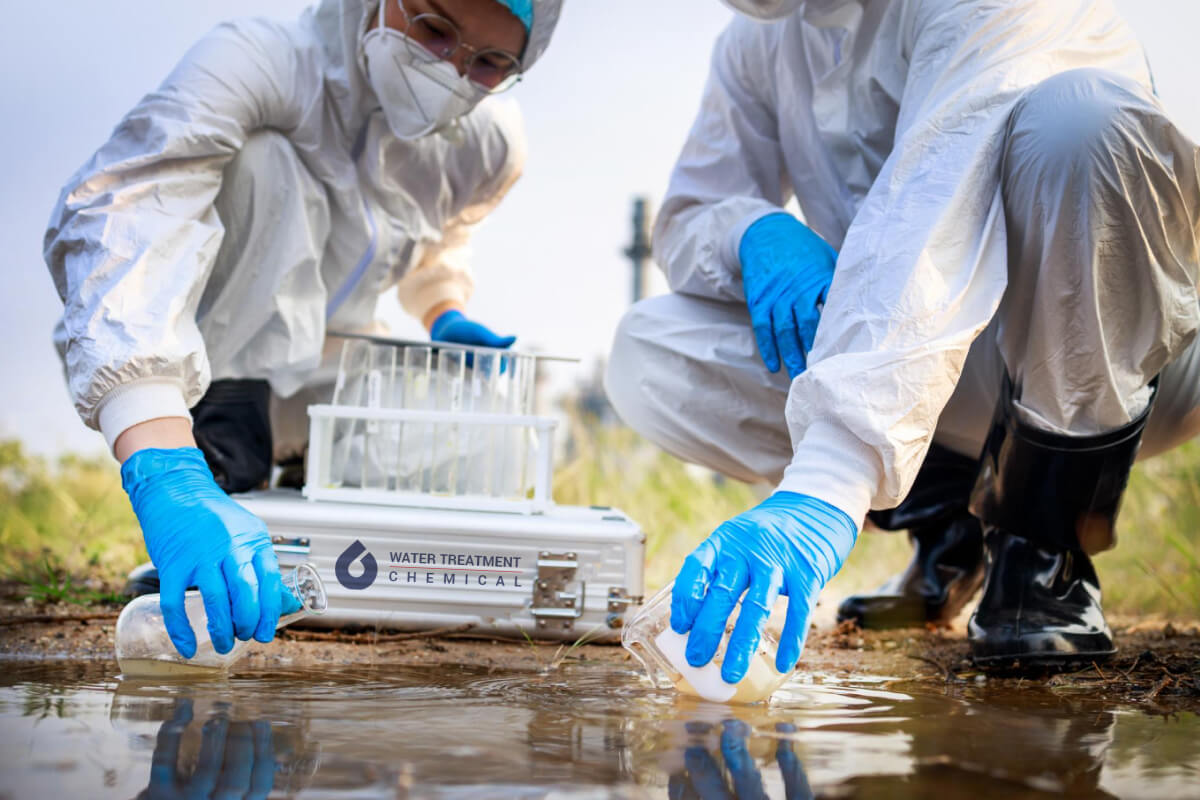
Water pollution treatment is becoming more important as cities grow, industries expand, and water use increases. Dirty water affects rivers, lakes, and oceans, and it can also harm people, animals, and plants. Using the right water pollution treatment strategies helps keep water clean and safe for daily use. This article explains the main sources of water pollution, how wastewater is treated, and why treatment plants play a key role in protecting water resources.
Understanding Water Pollution and Its Sources
Water pollution happens when harmful materials enter water bodies and lower water quality. These materials can include waste, chemicals, oil, and germs. Polluted water is unsafe for drinking, farming, and daily activities.
The main sources of water pollution are factories, farms, homes, and cities. Factories may release dirty water with chemicals. Farms add pollution through fertilizer and pesticide runoff. Sewage from homes and buildings also adds waste to water. Each source needs proper water pollution treatment strategies to reduce harm to the environment.
Technologies and Processes in Wastewater Treatment
Wastewater treatment uses different steps to clean dirty water before it is released or reused. The first step removes large waste like plastic, sand, and solid matter. This helps protect equipment and improves later treatment steps.
The next step uses natural bacteria to break down waste in the water. This process removes organic material and helps improve water quality. Chemical treatment is also used to remove small particles and harmful substances. Chemicals like PAC help make dirt settle so it can be removed. These steps together form the base of most water pollution treatment systems.
Role of Treatment Plants in Water Pollution Management
Wastewater treatment plants collect and clean water from homes, businesses, and industries. These plants stop polluted water from flowing directly into rivers and lakes. Without proper treatment, water pollution would increase and cause serious damage.
Modern treatment plants use better tools and trained workers to improve results. In industrial plants, special boiler water treatment chemicals are used to protect machines and keep water clean for work needs. Well-managed treatment plants help meet safety rules and protect natural water bodies.
Innovative Solutions in Wastewater Treatment
New methods are improving how wastewater is treated. Some plants use membrane systems to filter water more carefully and remove very small particles. Reverse osmosis is another method that removes salt and other dissolved materials from water.
In places without access to city sewer systems, off grid wastewater treatment allows wastewater to be treated on site, helping reduce pollution and protect local water sources. Digital tools are also helping treatment plants work better by tracking water quality and improving daily operations. These modern water pollution treatment strategies help save water and lower treatment costs.
Impact and Benefits of Effective Wastewater Management
Good wastewater management helps protect nature and public health. Clean water supports fish, plants, and animals that live in rivers and lakes. It also reduces the spread of water-related diseases.
Treated wastewater can be reused for farming, cooling systems, and factory use. Reusing water lowers the need for fresh water and supports long-term water supply. This makes wastewater treatment an important part of water conservation.
Key Strategies for Reducing Water Pollution
Reducing water pollution requires effort from everyone. Governments must set rules for waste discharge and monitor pollution levels. Industries can reduce waste and improve treatment systems. People can help by using water wisely and avoiding harmful waste disposal.
Rainwater collection and greywater reuse also help reduce pressure on treatment plants. When combined, these actions support strong water pollution treatment strategies and protect water resources.
Final Reflections: The Way Forward in Water Treatment
Water pollution treatment is necessary for a clean and healthy future. Investing in better treatment plants and smart water use helps protect water sources. By using simple and effective water pollution treatment strategies, communities can keep water safe for future generations.
Looking for the right water pollution treatment strategies for your needs?