
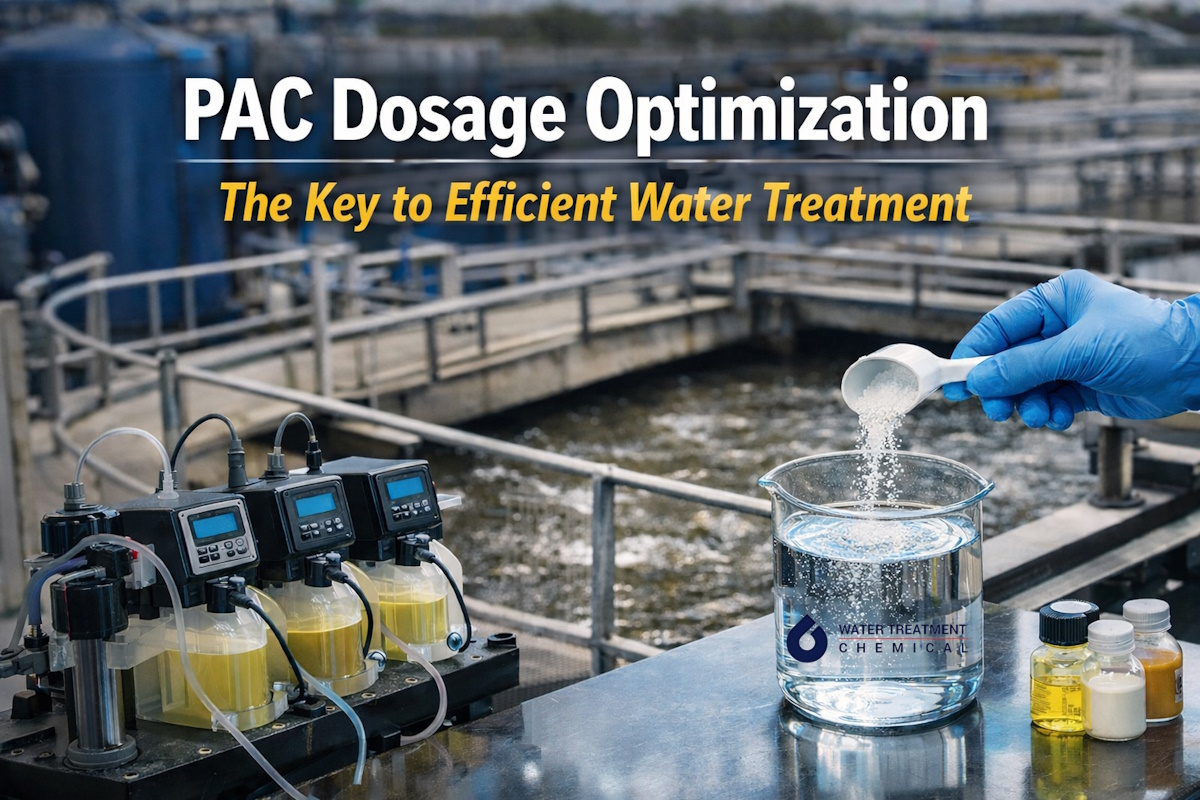
In the realm of industrial water treatment, achieving optimal efficiency and compliance hinges on a variety of factors. Among these, the effective use of Polyaluminum Chloride (PAC) plays a pivotal role. PAC, a widely used coagulant, is essential for removing suspended solids, color, and turbidity from water. However, the efficacy of pac dosing in water treatment is directly tied to the precision of its application. This article focuses on PAC Dosage Optimization, exploring the best practices to ensure that your water treatment processes are both effective and cost-efficient.
Improper PAC dosage can lead to a host of problems, from poor effluent quality to increased operational costs and even regulatory non-compliance. Overdosing can result in excessive sludge production and potentially increase the aluminum content in treated water, while underdosing may fail to meet discharge standards. Understanding the factors that influence PAC dosage and implementing strategies for optimization are crucial steps for any industrial plant operator. Let’s delve into the key aspects of optimizing your PAC usage.
Struggling to achieve consistent water quality with the right PAC dosage?
Understanding PAC and Its Role in Water Treatment
Polyaluminum Chloride (PAC) is a synthetic inorganic polymer that acts as a coagulant in water treatment. Its primary function is to destabilize and aggregate the colloidal particles present in raw water. These particles, which cause turbidity and color, are too small to settle on their own. PAC neutralizes the negative charges on these particles, allowing them to clump together, forming larger flocs that can then be easily removed through sedimentation or filtration. When selecting chemicals, it is critical to consult a reliable water treatment chemical supplier.
The Chemistry of Coagulation
The coagulation process involves several chemical reactions. When PAC is added to water, it hydrolyzes to form various positively charged aluminum hydroxide species. These species adsorb onto the negatively charged particles, reducing the repulsive forces between them. Simultaneously, the aluminum hydroxide species can bridge between particles, further promoting floc formation. The effectiveness of PAC depends on factors like pH, alkalinity, and the concentration of the contaminants in the water.
Why PAC Dosage Matters
The correct PAC dosage is essential for several reasons. Firstly, it directly impacts the quality of the treated water. Insufficient PAC will result in incomplete removal of suspended solids and other contaminants, leading to poor effluent quality. Secondly, it affects the efficiency of the treatment process. Overdosing can lead to excessive sludge production, increasing disposal costs. Finally, optimizing PAC usage also contributes to cost savings by reducing chemical consumption.
Factors Influencing PAC Dosage
Several factors can influence the optimal PAC dosage required for effective water treatment. Understanding these factors is crucial for making informed decisions about chemical dosing. These include the characteristics of the raw water, the specific treatment objectives, and the operating conditions of the treatment system.
Raw Water Quality
The quality of the raw water is perhaps the most significant factor affecting PAC dosage. Key parameters to consider include turbidity, color, pH, alkalinity, and the concentration of organic matter. Higher turbidity levels generally require higher PAC dosages to effectively remove suspended solids. Similarly, waters with high color content will need more PAC to achieve the desired clarity. The presence of organic matter can also interfere with coagulation, potentially requiring adjustments to the dosage.
Treatment Objectives
The intended use of the treated water also influences PAC dosage. For example, water intended for potable use requires more stringent treatment than water used for industrial cooling. The specific discharge limits set by regulatory authorities will also dictate the level of treatment required. Meeting these objectives often necessitates fine-tuning the PAC dosage to achieve the desired water quality parameters.
Operating Conditions
The operating conditions of the water treatment system can also impact PAC dosage. Factors such as the mixing intensity, the contact time, and the temperature of the water can all affect the efficiency of coagulation. Adequate mixing is essential to ensure that the PAC is evenly distributed throughout the water and that it effectively contacts the suspended particles. Temperature can affect the rate of the coagulation reactions, with lower temperatures often requiring slightly higher dosages.
Facing changes in water quality that affect your dosing accuracy?
Best Practices for PAC Dosage Optimization
Optimizing PAC dosage is an ongoing process that requires careful monitoring and adjustment. Here are some best practices that can help you improve the efficiency of your water treatment system.
Jar Testing
Jar testing is a simple and effective method for determining the optimal PAC dosage. This involves preparing a series of beakers with samples of the raw water and adding different dosages of PAC to each. The samples are then mixed for a set period and allowed to settle. The water quality is then assessed by measuring parameters such as turbidity and color, and the dosage that produces the best results is selected. Regular jar testing is crucial to account for variations in raw water quality.
Continuous Monitoring
Continuous monitoring of key water quality parameters, such as turbidity and pH, is essential for optimizing PAC dosage. Real-time data allows operators to quickly identify any deviations from the desired water quality standards and make necessary adjustments to the dosage. Automated monitoring systems can also be used to provide continuous feedback and control of the PAC dosing process.
Dosing System Calibration
Ensuring that the PAC dosing system is accurately calibrated is critical. The dosing pump should be regularly checked to ensure that it is delivering the correct amount of chemical at the specified rate. Regular calibration helps prevent overdosing or underdosing, both of which can lead to inefficient treatment and increased operational costs.
Sludge Management
Proper sludge management is an integral part of PAC treatment. Overdosing can lead to excessive sludge production, increasing disposal costs and potentially affecting the performance of downstream treatment processes. Implementing effective sludge dewatering techniques, such as using a filter press or a centrifuge, can help reduce the volume of sludge and lower disposal expenses. Also, consider the PAC Dosage Optimization approach to reduce sludge production.
Troubleshooting Common Issues with PAC Dosage
Even with the best practices in place, issues can sometimes arise in a PAC-based water treatment system. Here are some common problems and their potential solutions.
High Turbidity in Treated Water
If the treated water exhibits high turbidity, the PAC dosage may be insufficient. Increase the dosage gradually, while monitoring the effluent quality. Ensure that the mixing is adequate and that the contact time is sufficient. If the issue persists, the raw water quality might have changed, and jar testing should be performed to determine the optimal dosage.
Excessive Sludge Production
Excessive sludge production is often a sign of overdosing. Reduce the PAC dosage and monitor the turbidity of the treated water. You may also need to improve your sludge dewatering processes to handle the increased volume of sludge. Make sure your dosing system is accurately calibrated to avoid overfeeding the chemicals.
Poor Floc Formation
Poor floc formation can be caused by various factors, including incorrect pH, insufficient mixing, or the presence of interfering substances. Adjust the pH to the optimal range for PAC coagulation and ensure that the mixing intensity is sufficient to promote floc formation. If the issue persists, consider adding a coagulant aid or reviewing the chemical compatibility of the system.
High Residual Aluminum
If the treated water has high residual aluminum levels, it is an indication of overdosing. Reduce the PAC dosage and monitor the aluminum concentration in the treated water. Consider the impact on your plant and whether you are meeting all the guidelines. Ensure that the pH is within the optimal range for coagulation to prevent the aluminum from remaining in solution.
Conclusion
In conclusion, PAC Dosage Optimization is a critical aspect of efficient and compliant industrial water treatment. By understanding the factors that influence PAC performance and implementing the best practices outlined in this article, you can significantly improve the quality of your treated water, reduce operational costs, and ensure compliance with regulatory standards. Regular monitoring, jar testing, and careful adjustment of the PAC dosage are essential for achieving optimal results. Implementing the right strategies for pac water treatment also helps reduce the environmental impact of your operations. Continuous improvement and a proactive approach will help you maintain a high-performing water treatment system.
Ready to improve efficiency and reduce treatment costs?