
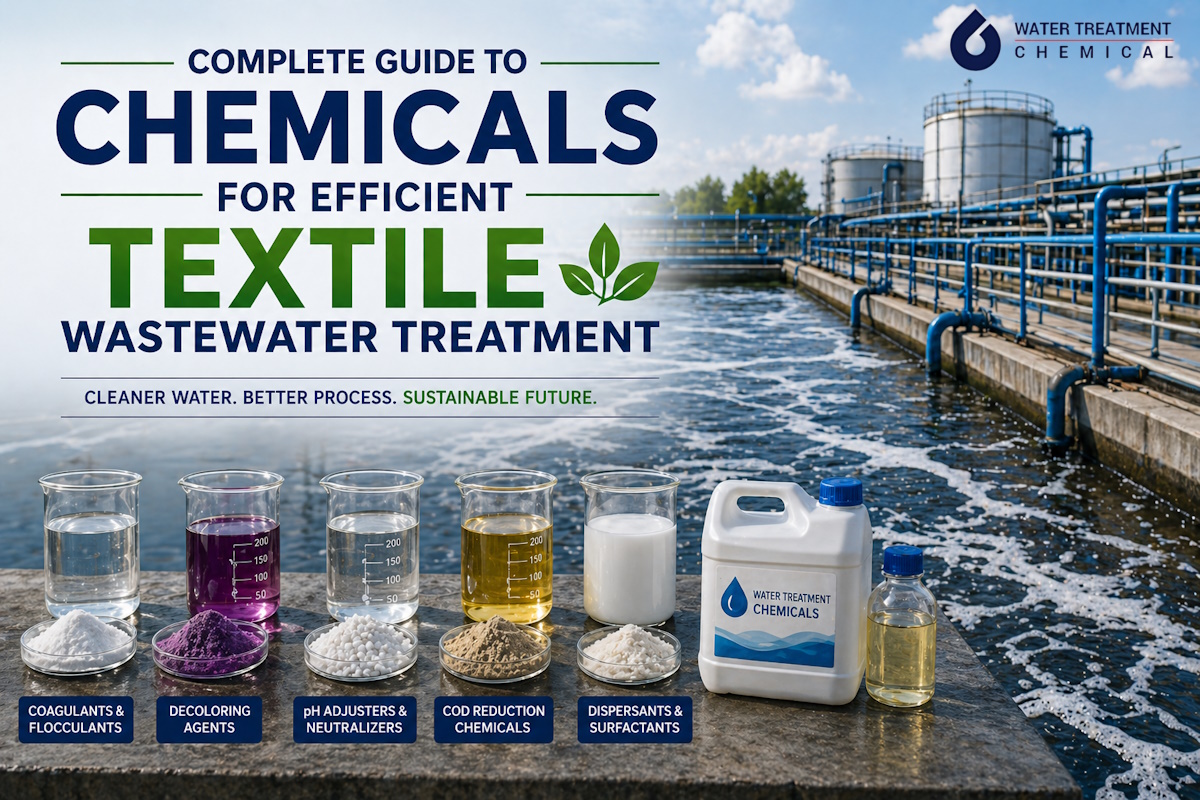
The Critical Role of Chemicals in Textile Wastewater Treatment
The textile industry is a significant consumer of water, generating substantial volumes of wastewater full of dyes, chemicals, and other contaminants. Effective textile wastewater treatment is not just an environmental imperative; it’s a necessity for regulatory compliance and operational sustainability. The complex nature of textile effluents necessitates the use of specialized chemicals to ensure efficient treatment and discharge that meets stringent pollution control parameters. Without the right chemical approach, textile plants face risks of non-compliance, equipment damage, and increased operational costs.
This guide provides a comprehensive overview of the essential chemicals used in textile wastewater treatment, their functions, and considerations for their effective application. We will explore how these chemicals interact with different contaminants and how to optimize your treatment process for maximum efficiency and compliance.
Let’s delve into the specific chemical treatments that can transform your effluent into reusable water or safe discharge.
Need Help With Textile Wastewater Treatment?
Understanding the Textile Wastewater Treatment Challenges
Textile wastewater presents unique challenges due to its complex composition. The presence of dyes, surfactants, sizing agents, and other chemical additives makes it difficult to treat. These contaminants contribute to high Chemical Oxygen Demand (COD), Biological Oxygen Demand (BOD), Total Dissolved Solids (TDS), and color, posing significant environmental risks.
The Impact of Dyes and Color
Color is one of the most visible pollutants in textile wastewater, which causes aesthetic concerns and prevents sunlight penetration in receiving water bodies. Dyes, which are designed to be stable and resist fading, are often difficult to remove. Failure to effectively remove color can lead to serious regulatory penalties.
Organic Load and COD Levels
High COD and BOD levels in textile wastewater indicate a significant organic load. Understanding how to reduce COD in wastewater is essential for improving treatment efficiency, meeting discharge standards, and lowering environmental impact.
Other Contaminants of Concern
Besides dyes and organic matter, textile wastewater contains other contaminants like surfactants, which can cause foaming and interfere with biological treatment processes. Other chemicals, such as sizing agents and finishing agents, also contribute to the overall pollution load.
To address these challenges, the selection and application of appropriate chemicals is essential for effective textile wastewater treatment.
Key Chemicals Used in Textile Wastewater Treatment
Several chemicals play crucial roles in different stages of textile wastewater treatment. The selection of the appropriate chemicals depends on the specific characteristics of the effluent and the treatment goals.
Coagulants and Flocculants
Coagulation and flocculation are essential steps in removing suspended solids, colloids, and some dissolved pollutants. Proper PAC Dosing in Water Treatment helps improve coagulation efficiency, faster settling, and better wastewater treatment performance. Proper PAC Dosing in Water Treatment plays an important role in effective coagulation, faster settling, and improved contaminant removal. Coagulants, like ferric chloride or alum, neutralize the charges of suspended particles, causing them to clump together. Flocculants, typically polymers, then bind these smaller particles into larger flocs that can be easily separated through sedimentation or flotation. The correct selection of a flocculating agent is critical for efficient solid-liquid separation.
- Coagulant Selection and Dosage
Coagulant selection depends on the type of wastewater and treatment goals. Factors to consider include pH, alkalinity, and the presence of interfering substances. Proper dosage is critical; over-dosing can lead to excessive sludge production and costs, while under-dosing results in poor treatment.
- Flocculant Selection and Dosage
Flocculants are typically polymers, classified as anionic, cationic, or non-ionic. The choice of flocculant depends on the nature of the coagulated particles. The correct dosage optimizes floc formation and settling. Incorrect flocculant selection can result in poor settling and reduced treatment efficiency.
Water Decoloring Agents
Dye removal is a primary objective in textile wastewater treatment, as dyes can persist in the environment and affect the aesthetics of receiving water bodies. Water Decoloring Agents are specifically designed to remove or degrade dyes. These agents work by either chemically reacting with the dye molecules or adsorbing them onto a solid phase.
- Types of Water Decoloring Agents
Various water decoloring agents are available, including activated carbon, which adsorbs dye molecules, and specific chemical coagulants that react with the dyes. The selection depends on the type of dye and the desired level of color removal.
- Application and Effectiveness
Effective application involves proper dosage and contact time. The efficiency of a water decoloring agent is evaluated by the reduction in color and COD levels. Using Water Decoloring Agents improves treatment outcomes, particularly where dye removal is critical for compliance.
pH Adjustment Chemicals
The pH of textile wastewater can vary significantly depending on the processes used. Proper pH control is essential for optimal performance of coagulation, flocculation, and biological treatment stages.
- Alkaline and Acidic Chemicals
Common pH adjustment chemicals include sodium hydroxide (caustic soda) for increasing pH and sulfuric acid for decreasing pH. The choice of chemical depends on the initial pH and the desired pH range for effective treatment.
- Benefits of pH Control
Maintaining the correct pH enhances the efficiency of the treatment processes and prevents corrosion in equipment. Ultimately, it ensures the treated water meets discharge limits. Consistent pH control is a cornerstone of effective water treatment.
Other Specialty Chemicals
In addition to the above, other chemicals may be used depending on specific contaminants. Anti-foaming agents can control the foam generated by surfactants. Biocides may be used to control microbial growth in biological treatment systems. These chemicals are tailored to address particular challenges.
Need the Right Treatment Chemicals?
Optimizing Your Chemical Dosing Strategy
The success of textile wastewater treatment depends not just on the chemicals used but also on how they are dosed. A well-designed dosing strategy is essential for achieving optimal performance, reducing chemical consumption, and minimizing operational costs.
Importance of Jar Testing
Jar testing is a crucial step in determining the optimal dosage of coagulants and flocculants. This lab-scale test simulates the treatment process, allowing operators to evaluate different dosages and select the most effective combination of chemicals.
Monitoring and Control Systems
Implementing monitoring and control systems enables real-time tracking of key parameters like pH, turbidity, and COD. Automated dosing systems adjust chemical feed rates based on these parameters, ensuring consistent treatment performance. By continuously monitoring and adapting your dosing strategy, you can improve efficiency.
Regular Maintenance and Calibration
Regular maintenance of dosing equipment, including pumps and meters, is essential. Calibration of these devices ensures accurate chemical delivery. Consistent maintenance minimizes downtime and ensures that the system operates efficiently.
Achieving Compliance and Reducing Costs
The goals of textile wastewater treatment are not only to meet environmental regulations but also to minimize operational costs. Optimizing the chemical treatment process is crucial in achieving both objectives.
Meeting Discharge Standards
Compliance with discharge standards requires careful selection of chemicals, precise dosing, and effective monitoring. By consistently meeting these standards, textile plants can avoid penalties and protect their reputation. Meeting compliance is a direct result of effective treatment and well-managed processes.
Reducing Chemical Consumption
Proper chemical selection and monitoring reduce unnecessary usage. Modern water treatment solutions include optimized PAC Dosing in Water Treatment to improve efficiency and reduce operating costs.
Minimizing Sludge Production
Excessive sludge production increases disposal costs. When you optimize the coagulation and flocculation processes, you can minimize sludge volume and reduce disposal expenses. Effective sludge management is an integral part of sustainable wastewater treatment.
Choosing the Right Chemicals: Key Considerations
Selecting the right chemicals for textile wastewater treatment is a critical decision. Considering these factors will help you make informed choices.
Wastewater Characteristics
Thorough analysis of the wastewater composition, including pH, COD, BOD, and the types of dyes and chemicals present, is essential. The specific characteristics of the effluent will guide the selection of appropriate chemicals. Knowing your water is key to effective treatment.
Treatment Goals and Discharge Limits
Define your treatment goals based on the required discharge limits. Selecting chemicals that effectively target the specific pollutants present in the wastewater is critical. Your objectives should drive your chemical choices. Ensure the chemicals you select meet your environmental objectives.
Chemical Compatibility and Safety
Ensure chemical compatibility with existing treatment equipment and processes. Proper handling and storage of chemicals are crucial for safety. Following safety guidelines and making safe choices will protect both your people and your plant.
Common Mistakes and How to Avoid Them
Several common mistakes can undermine the effectiveness of textile wastewater treatment. Being aware of these errors and knowing how to prevent them can help you optimize your process.
Incorrect Chemical Selection
Choosing the wrong chemicals is a common mistake. The selected chemicals must be suited to the types of pollutants. Ensure you select chemicals that are appropriate for the specific wastewater composition.
Improper Dosage
Incorrect dosing can lead to poor treatment results or excessive chemical usage. Conduct jar tests and implement monitoring systems to optimize your dosing strategy. Properly applied chemicals are more likely to deliver the results you want.
Lack of Monitoring and Control
Without continuous monitoring and control, it is difficult to maintain consistent treatment performance. Investing in monitoring systems and automation is crucial. Continuous monitoring makes quick adjustments possible.
Need Better Results & Compliance?